The ARIJ’s AFCN Holds Its First Regional Meeting in 2026

1 April 2026
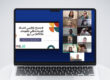
The Arab Fact-Checkers Network (AFCN) from ARIJ held its first regional meeting for 2026 on Wednesday, April 1st, the 17th meeting in a series of regional meetings held by the network since its founding.
The meeting was attended by 21 fact-checking organizations represented by 43 fact-checkers from 12 Arab countries, in addition to freelance fact-checkers. The meeting hosted the Head of Public Policy for the Middle East at “Meta,” Zaid Ghaith, in a dialogue session that focused on “Community Notes,” Meta’s priorities in fact-checking, and the needs of fact-checking organizations on its social media platforms.
ARIJ’s Director General Rawan Damen, opened the meeting by reviewing the AFCN’s key updates and activities, which included:
– Launching the third edition of the ARIJ Fact-Checking Diploma.
– Providing an emergency grant to five fact-checking organizations.
– Offering a free toolkit for fact-checkers.
– Selecting three fact-checkers to represent AFCN at the (Global Fact 2026) conference.
– Updating the summary of AFCN regional meeting outcomes.
– Reaffirming continued support of AFCN for international fact-checking organizations via “Slack“, to verify information related to the 2026 war in the Middle East.
During the meeting, Ghaith discussed the upcoming developments for “Meta” regarding the “Community Notes” program. Ghaith responded to the attendees’ questions, which largely focused on several key themes. These included: the future of the “Third Party Fact-Checking” program, potential collaborations with fact-checking organizations to combat disinformation on Meta platforms, the observed decline in reach rates for fact-checking organizations’ posts, and the restriction of certain accounts that had published fact-checking reports regarding the wars in Gaza and Lebanon.
Mahmoud Ghzayel, a freelance fact-checker from Lebanon, says, “Holding meetings with social media platform officials in the region is extremely important for bridging the gap between our efforts in fact-checking, where we try to catch up with the fast train of misinformation, and understanding the algorithms of those platforms.“
Tamara Emad from the Iraqi fact-checking organization “The Checker” added that the regular regional meetings are important because they represent “a humanitarian and professional support circle at the same time, especially in light of the wars, crises, and feelings of futility we are experiencing today, and major technical challenges. The meeting provided us with a space to express ourselves, propose solutions aloud, and support each other.“
Bakr Abdel-Haq, Director of the “Tahaqaq” fact-checking organization in Palestine, also emphasized the importance of dialogue with Meta, expressing his hope that “this discussion will pave the way for solutions that better meet local needs, particularly concerning the protection of journalists’ accounts from any unjustified restrictions.“
It is worth noting that these periodic meetings of the AFCN community represent a vital space for enhancing coordination and cooperation by unifying efforts and finding solutions to the continuous challenges facing this crucial field in the fight against information disorder.