The ARIJ’s AFCN Holds its Second Regional Meeting for 2026
July 2, 2026
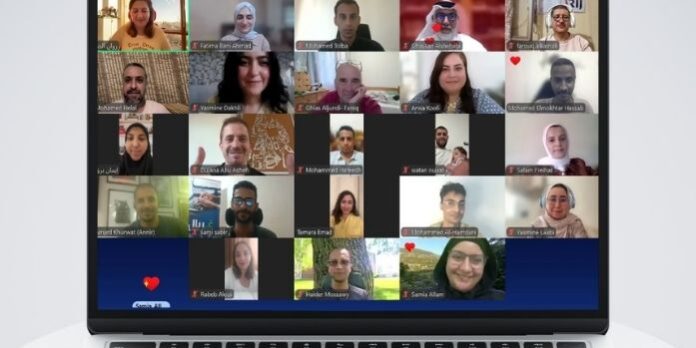
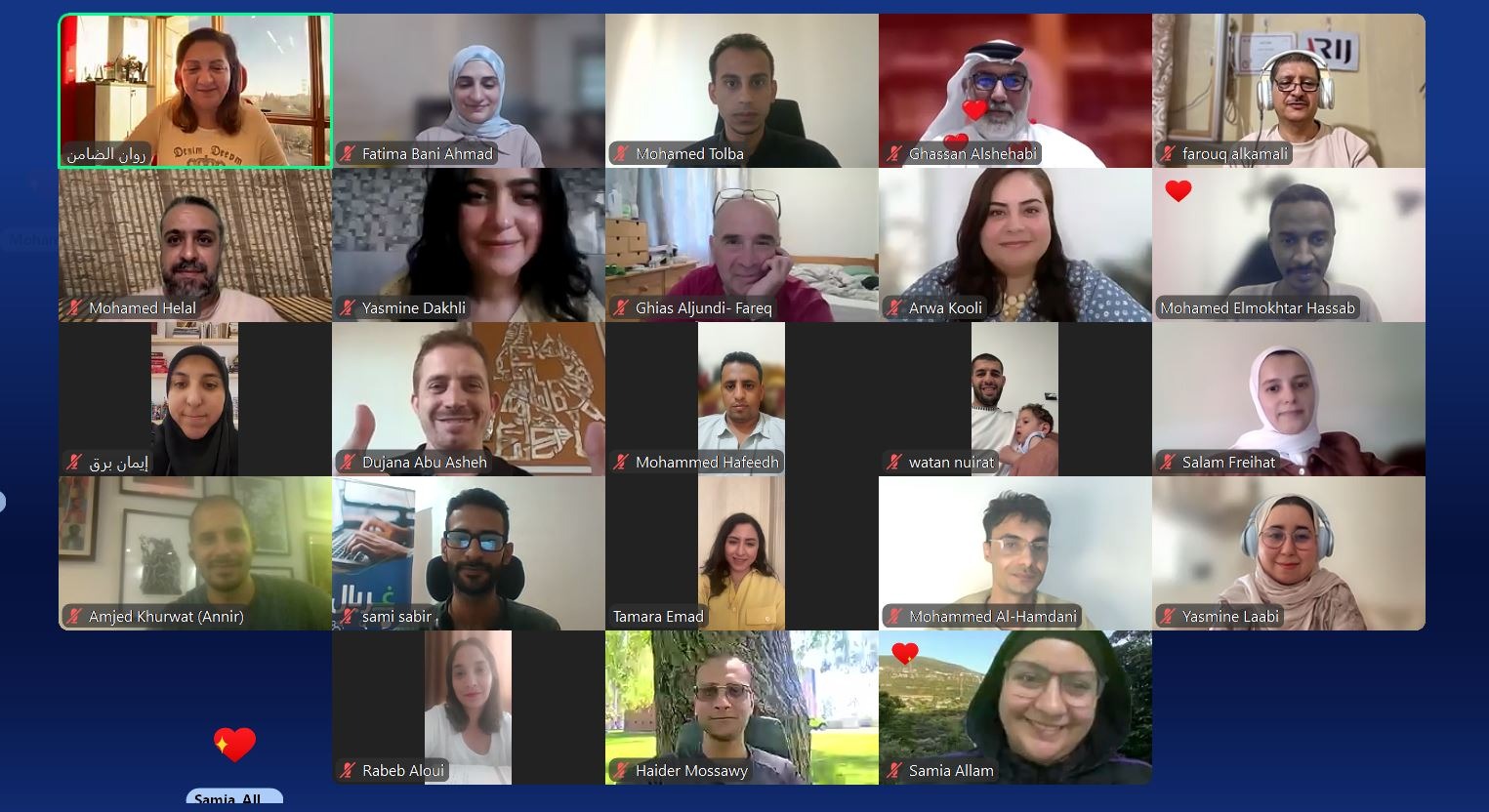
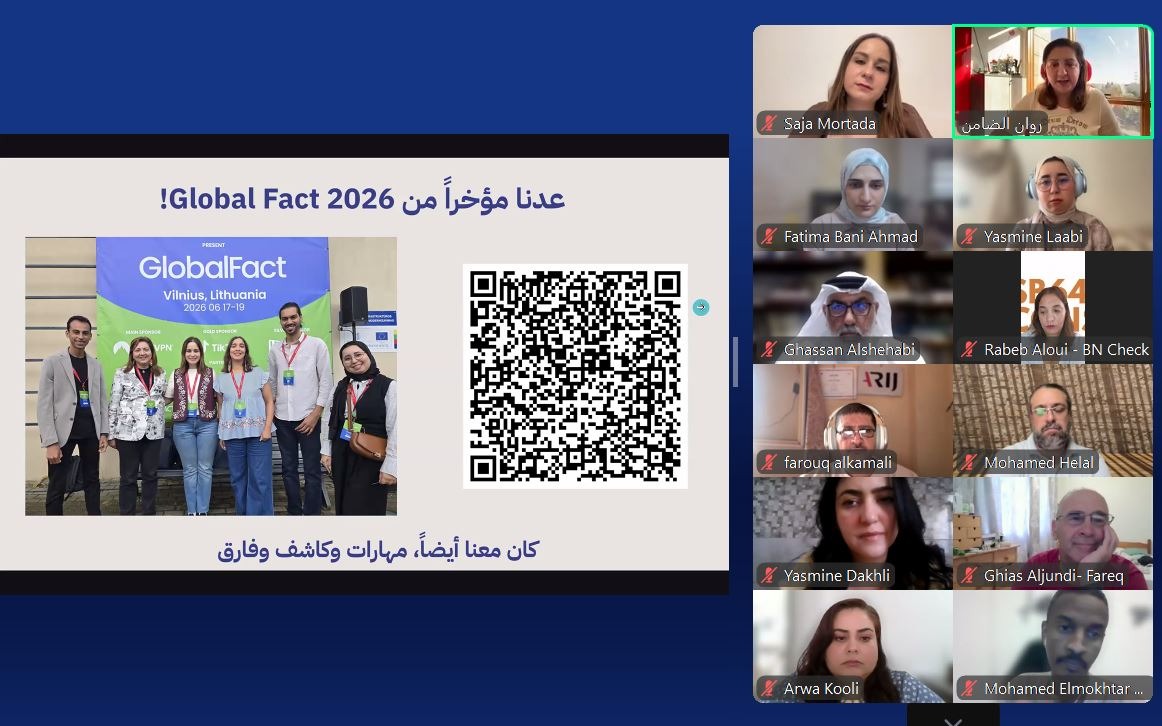
The Arab Fact-Checkers Network (AFCN) from ARIJ held its second regional meeting for 2026 on Thursday, July 2, under the title: “Fact-checking during our difficult regional circumstances: How to set priorities, measure harm, and strengthen our regional resilience?“. 19 fact-checking organizations and initiatives, represented by 39 participants from 14 Arab countries attended the meeting.
ARIJ Director General, Rawan Damen, opened the meeting with a solidarity tribute, in which AFCN mourned the fact-checker “Alaa Haidar Suleiman” from the Lebanese organization “Sawab,” who was killed following a direct Israeli missile strike on her family’s home in southern Lebanon.
During the meeting, AFCN’s Manager, Saja Mortada, reviewed the most prominent activities and developments achieved since the beginning of the year, including the launch of the updated version of the “Investigating Disinformation” methodology guide, and the publication of three investigations based on it in Tunisia and Morocco. The “Cyberstorm” investigation was also highlighted by its presentation during the GlobalFact 2026 awards ceremony; it was the only Arab investigation to reach the final list in all categories, reaching the final qualifiers within the “Gold Standard” category.
During the meeting, colleagues who represented AFCN team at the Global Fact 13 international conference in Lithuania evaluated the event and extracted lessons on the importance of cross-border cooperation. The participants expressed the importance of Arab participation in this edition and the Arab presence in international forums.
On the methodological side, the meeting discussed “Maintaining Quality of Fact-checking Reports Manual“, where expert in the field of fact-checking Dr. Arwa Kooli confirmed that the “virality” criterion alone is not enough to select material, but it must be linked to “potential harm,” public interest, and balance, warning against methodological weakness such as relying on a single source. Applying this, AFCN Senior Fact-checker Fatima Bani Ahmad presented practical models to measure this “harm” in hate speech and AI-generated images, calling on organizations to pay greater attention to verifying medical and scientific claims due to their direct impact on people’s lives.
The meeting included pivotal discussions that focused on the security, methodological, and funding obstacles facing the fact-checking community in the region. The meeting ended by drafting a set of recommendations and directions aimed at strengthening joint regional coordination, improving the quality of reports with precise criteria for measuring harm, in addition to strengthening resilience mechanisms and exploring alternative funding sources; with the aim of facing current structural challenges, primarily the sharp decline in international support for the years 2026 and 2027.
Sami Sbeir, from the Moroccan initiative “Ghirbal“, says: “The regional meeting forms a space to exchange ideas and experiences from across the region, and what caught my attention is the idea of enhancing coordination between fact-checking organizations and networking to collaborate on producing cross-border investigations and reports, adopting the harm criterion, and involving the public.”
For her part, Tamara Emad from the Iraqi Organization “The Checker“, emphasized the human value of these meetings, saying: “The solidarity with which the session began makes us feel that we are not alone. Despite busy schedules and the great distances between our countries, we find our colleagues by our side when we need them, and this in itself is a noble act of great human value.”
Yasmine Dakhli from the “Tunifact” indicated that this meeting “provided a vision for the future of this field, and emphasized the importance of thinking outside the box to ensure the continuity and development of the fact-checking organizations and to enhance their ability to adapt to upcoming shifts.”
It is worth noting that this meeting is the eighteenth within a series of periodic meetings for the Arab Fact-Checkers Network (AFCN) community, representing a vital space to enhance coordination and cooperation by unifying efforts, and finding solutions to the ongoing challenges facing this vital field in combating information disorder.